
Bike Motor Electric: The Choice Between Hub Motor and Mid-Drive Motor Can Greatly Impact Your Riding Experience
Each type boasts unique advantages, drawbacks, and ideal applications. This guide breaks down the key differences to help you make an informed decision.
Do you know how they work?
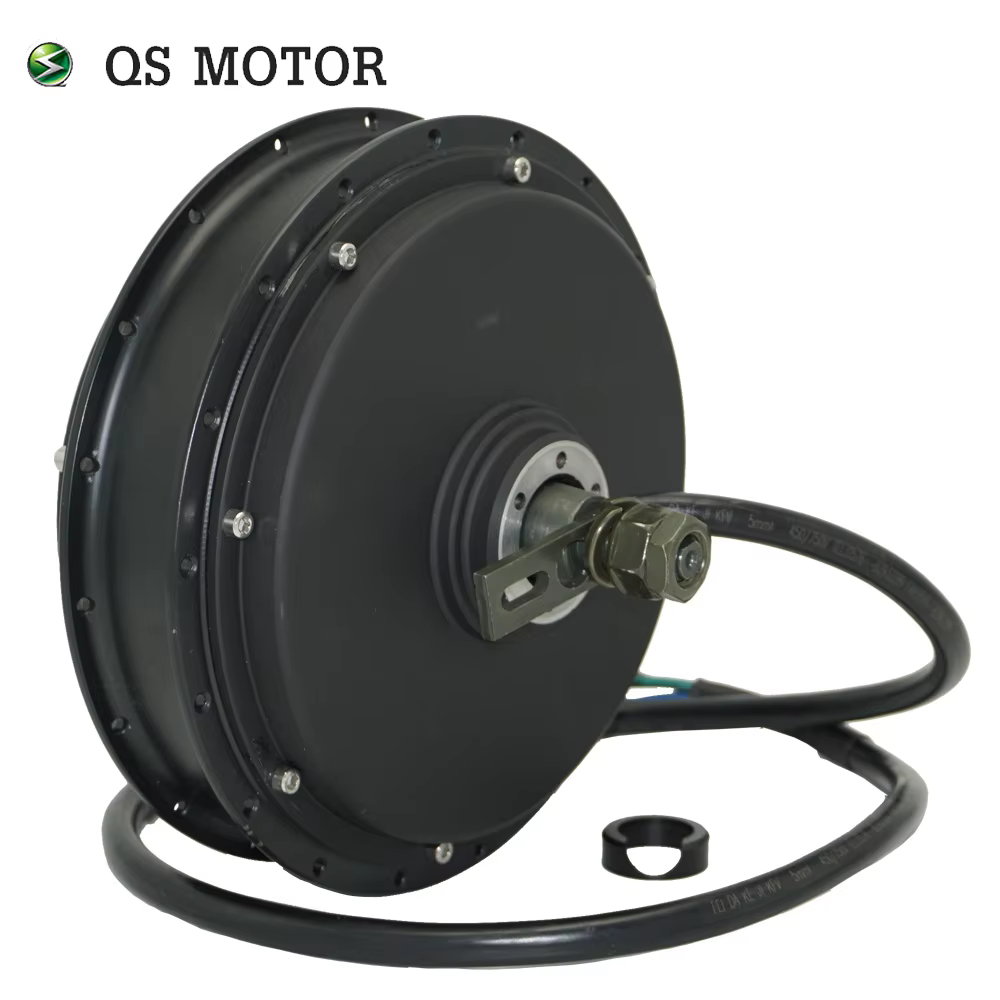
Hub motors are integrated directly into the wheel hub, either in the front or rear wheel. When powered, the motor rotates the wheel itself, eliminating the need for a complex drivetrain.
Then they are easy to Install and maintain, with fewer moving parts, less frequent servicing. For example, a rear hub motor setup can be installed by simply replacing the existing wheel, making DIY upgrades accessible for enthusiasts.
What’s more, hub motor offering a serene ride, perfect for urban commuting or leisurely rides.
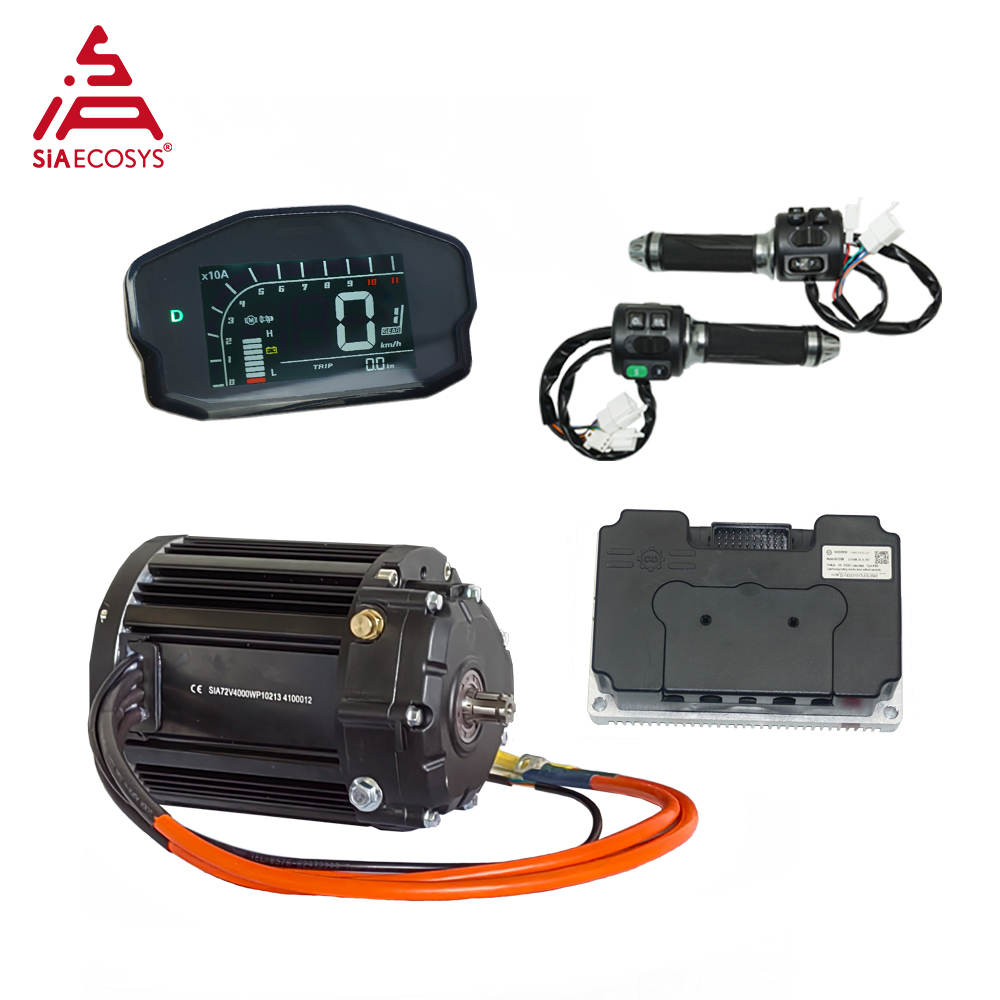
Positioned at the bottom bracket (where the pedals attach), mid drive motors power the bike’s chain or belt. By leveraging the bike’s gear system, they can adapt to various terrains.
For instance, when climbing steep hills, shifting to a lower gear multiplies the motor’s torque, making ascents easier. Since the motor sits at the bike’s center, it improves handling and stability, especially during sharp turns or high-speed maneuvers.
Hub motors provide consistent power regardless of the gear you’re in. Rear hub motors, in particular, are known for their strong acceleration, making them great for quick starts in traffic.
However, they may struggle on steep inclines without additional power assistance. For example, a 250W front hub motor might have a reduced range compared to a mid-drive motor of the same power in hilly areas.
Mid drive motors shine in torque performance, especially when combined with lower gears. This makes them the go-to choice for mountain biking, cargo bikes, or any application requiring heavy lifting.
By using the bike’s gears, mid drive motors can maintain efficiency across different speeds and terrains. A well-tuned mid-drive system can extend your bike’s range by up to 20% compared to a hub motor setup.
Generally, hub motors are more affordable, both in terms of initial purchase and long-term maintenance. They are a popular choice for entry-level electric bikes and conversion kits.
Since hub motors bypass the bike’s gears, customizing the power output based on riding conditions is more challenging.
Mid drive systems are typically more expensive due to their advanced technology and integration with the bike’s drivetrain. However, their versatility and performance often justify the cost for serious riders.
If something goes wrong, repairs can be more intricate and costly, as they may involve both the motor and the gear system.
Ultimately, your decision between a hub motor and a mid-drive motor depends on your riding style, budget, and intended use:
If you prioritize simplicity, affordability, and urban riding: A hub motor is likely your best bet.
If you seek high performance, versatility, and are willing to invest more: Opt for a mid-drive motor.
By understanding these key differences, you can select the bike motor electric that aligns perfectly with your needs, ensuring a smooth, efficient, and enjoyable ride every time.